


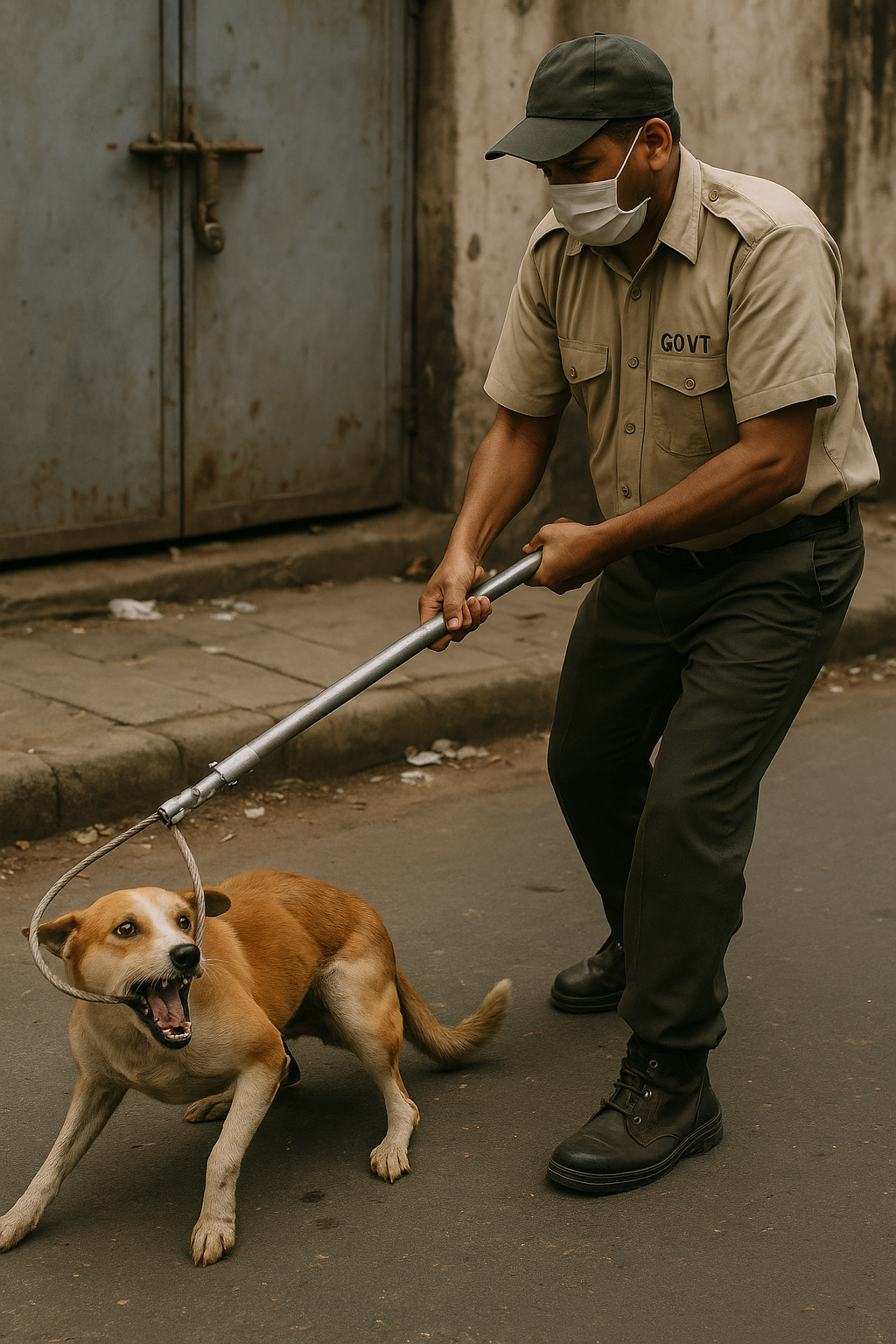
Explained: How Government and Courts Deal With the Stray Dog Crisis
Across many neighborhoods, stray dogs roam the streets. Their presence brings up many concerns. There are worries about public safety, as some strays can be aggressive. Questions about animal well-being are also big. Plus, there is a risk of disease spread within the community.
Solving this issue is complex. It is not just about helping animals. It touches on public health, city planning, and how a community functions. Managing stray dog populations needs a careful approach.
This article explores how different governments and courts handle stray dogs. We will look at past actions, current laws, and key court decisions. Understanding these efforts shows the ongoing struggle for humane and effective solutions.
The Legal Framework Governing Stray Animals
Historical Approaches and Their Evolution
Years ago, dealing with stray dogs was often harsh. Cities might have rounded up dogs for mass culling. This meant killing them to reduce numbers. Shelters were often just places to hold animals briefly, without much care.
Over time, views changed. People started to see animals as needing protection. Laws slowly began to reflect a more humane approach. This shift led to new ways of thinking about animal care.
Current Legislation and Regulations
Today, laws for stray dogs vary greatly. Some places have strong rules about animal birth control. These laws may require pet owners to spay or neuter their animals. Other regulations focus on pet registration and licensing.
Many laws also punish those who abandon their pets. Fines or even jail time can result from leaving an animal behind. These rules aim to control pet numbers and make owners responsible.
Key Legal Concepts in Stray Dog Cases
Several legal ideas come up often in stray dog matters. “Animal abandonment” means leaving an animal without care or a home. This is often against the law. “Public nuisance” can apply to a group of stray dogs causing problems.
“Animal cruelty” covers any harm or neglect to an animal. Due process is also important. This means authorities must follow fair steps when they capture or handle stray dogs. It ensures rules are followed before action is taken.
Government Policies and Implementation Strategies
Animal Birth Control (ABC) Programs
Spaying and neutering programs are a core part of population control. Governments often fund these efforts. They help reduce the number of new strays born each year. This method is considered the most humane way to manage dog numbers.
Yet, these programs face challenges. Finding enough money is a big hurdle. Getting everyone in the community to participate also takes work. Without broad support, the problem persists.
Impoundment and Shelter Management
Animal shelters and pounds play a vital role. They take in stray animals. Shelters aim to reunite pets with owners or find new homes through adoption. Policies on euthanasia, or putting animals down, vary by shelter.
Running these facilities costs a lot. Cities face big financial and logistical loads. Ensuring good care for all animals is a constant struggle. Overcrowding often strains resources.
Public Awareness and Education Campaigns
Governments run programs to teach people about responsible pet ownership. These campaigns encourage microchipping pets, making it easier to find lost animals. They also promote licensing, which helps track pets. Teaching people not to abandon their animals is a key message. [Link to Responsible Pet Ownership Guide]
Such efforts help prevent more animals from becoming strays. Education can change behaviors over time. It makes communities safer for both people and animals.
Collaboration with NGOs and Animal Welfare Organizations
Many government groups work with non-profit organizations. These partnerships are crucial for managing stray populations. NGOs often help with rescue efforts. They also assist in finding new homes for animals.
This teamwork brings more resources to the problem. It allows for a wider reach in the community. Together, they can achieve more than either could alone.
Judicial Interventions and Landmark Cases
Court Rulings on Culling vs. Sterilization
Courts have often stepped into the debate over stray dog management. Some big cases have challenged the legality of culling. People argue if killing dogs is fair or moral. Judges have sometimes sided with humane sterilization methods.
These rulings set important rules for how cities can handle strays. They push for kinder ways to control populations. Courts look at what the law allows and what is right.
Legal Battles Over Shelter Conditions and Practices
Lawsuits sometimes arise over how animals are treated in shelters. Cases might challenge how animals are put down. Others question if shelters are too crowded. Judges review if facilities meet standards for animal care.
These court actions push shelters to improve their conditions. They make sure animals get proper food, water, and space. It holds public animal control to a higher standard.
Liability and Responsibility in Stray Dog Incidents
When a stray dog causes harm, like a bite or property damage, legal questions come up. Who is responsible? Courts look at laws that say owners are liable for their pets’ actions. If no owner is found, the situation becomes more complex.
Judges examine if authorities took proper steps to control the animal. These cases help define who pays for damages. They also shape how cities deal with known dangerous strays.
Challenges and Criticisms in Stray Dog Management
Enforcement Gaps and Resource Limitations
Putting animal laws into practice is hard. Many governments lack money for sterilization programs. There are not enough staff to check if laws are followed. This means rules often go unenforced.
Such gaps make it tough to control stray dog numbers. Even good laws are not effective without proper support. Funding shortfalls hinder progress.
Ethical Debates and Public Opinion
Different ideas exist about how to treat animals. Some believe animals have rights. Others focus on public safety first. These different views lead to arguments about how best to manage strays.
Public opinion plays a big part. What one group sees as humane, another might not. This makes finding common ground a challenge for policymakers.
The Impact of Uncontrolled Breeding and Abandonment
When dogs breed without control, their numbers grow fast. People also keep abandoning pets. This creates a never-ending cycle of stray animals. It makes long-term management very hard.
Every new litter and abandoned pet adds to the problem. It strains shelter resources and undermines all efforts. This cycle must be broken for real change.
Towards Sustainable Solutions: Best Practices and Future Directions
Integrated Stray Dog Management Strategies
A complete approach works best. This means combining many solutions, not just one. Sterilization, vaccination, and promoting responsible ownership all matter. Humane ways to control numbers are also needed.
This kind of plan tackles the problem from all sides. It is more effective than trying single-issue fixes. Cities need a roadmap that brings together various methods.
Role of Technology and Data in Management
New tools can help a lot. Microchipping pets makes it easy to find them if they get lost. GPS tracking can help follow stray populations. Using data helps us understand how dog numbers change.
Technology can make stray dog efforts smarter. It helps identify issues faster. Data shows where help is needed most.
Strengthening Legal Frameworks and Policy Enforcement
Governments can make their animal laws better. They could make fines higher for abandoning pets. Making microchipping a rule for all pets would also help. Stronger laws mean better protection.
Clearer rules and better enforcement would make a big difference. It would ensure more people follow the law. This leads to a more controlled pet population.
Conclusion
The way governments and courts handle stray dogs keeps changing. From harsh past methods to kinder current ones, progress is clear. Courts play a role in guiding these efforts. They ensure humane and lawful actions.
Solving the stray dog issue needs a full plan. It must be fair, humane, and based on solid laws. A combined effort from everyone helps both people and animals. This path leads to a safer community for al
Explained, How Government and Courts Address the Stray Dog Crisis, Legal Actions, Policies, Court Rulings, India
Explained, Stray Dog Crisis in India, Government Measures, Court Decisions, Animal Welfare Laws
Explained, Government and Court Role in Tackling the Stray Dog Problem, Laws, Policies, India
Explained, How India Manages the Stray Dog Crisis, Government Strategies, Court Orders, Legal Framework
Explained, Stray Dog Issue in India, Government Response, Court Judgments, Animal Rights Policies
