


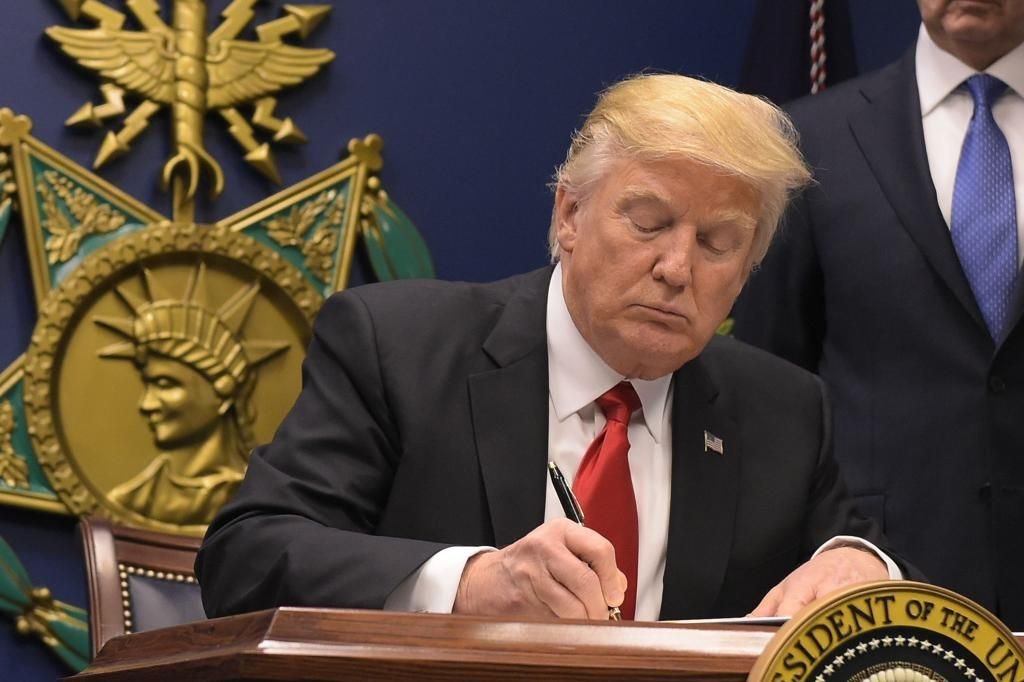
Trump-Putin Summit: Navigating Hurdles, Past and Future
The world often stops when powerful leaders meet. The summit between former U.S. President Donald Trump and Russian President Vladimir Putin was one such event. It drew massive global attention. Everyone watched, hoping for breakthroughs or fearing new tensions. High stakes were clear, hinting at major changes in how countries relate.
C. Raja Mohan, a sharp observer of world events, offered his view on this summit. He looked closely at how the two leaders interacted. Mohan’s analysis helped us understand the complex world they moved through. He pointed out the “hurdles crossed” during their talks and the tough challenges “yet to come.”
The Backdrop: A Shifting Global Order
The Precedent of Past Encounters
Before their main summit, Trump and Putin had met several times. These were often brief, on the sidelines of bigger international meetings. Their first major talk happened during the G20 summit. Many watched these early moments. People tried to guess how the two would get along. These earlier chats set a basic tone for later, more formal talks. They gave us clues about their relationship.
Geopolitical Fault Lines: Russia and the US
Russia and the United States often disagree on big world issues. Before the summit, key tensions included the war in Syria. Ukraine’s future also caused much debate. Allegations of election interference in the U.S. added deep strain. Both countries also worried about arms control agreements. These issues formed a tough backdrop for their meeting. Finding common ground seemed very hard.
Mohan’s Framework for Understanding
C. Raja Mohan often views world power through a lens of great power rivalry. He sees these encounters as part of a bigger game. Mohan highlights how each leader tries to show strength. He also looks at their long-term aims. He believes history and national interests guide their actions. This helps us see past simple headlines. We can better grasp the real reasons behind their talks.
Hurdles Crossed: Early Progress and Perceptions
Finding Common Ground on Specific Issues
Despite many disagreements, the summit did find some areas for talk. Leaders might have agreed on small steps. Maybe they talked about de-escalating conflicts like in Syria. Or they could have shared ideas on fighting global terrorism. Sometimes, simply talking opens a path. These small steps can change the overall mood between two big nations.
The Impact of Personal Diplomacy
The way leaders connect on a personal level can truly matter. Trump and Putin are both strong, confident leaders. Their individual styles certainly shaped the summit. Did they build any personal rapport? This personal touch can sometimes open doors. “Personal rapport can sometimes open doors where formal channels struggle,” as Mohan or another expert might say. It allows for more direct, frank talks.
Managing Domestic and International Scrutiny
Both leaders faced huge pressure from home and abroad. Trump had critics who watched his every move. Putin also managed expectations within Russia and from other countries. They had to talk carefully. Every word was analyzed by media and allies. This scrutiny made the summit a high-wire act for both men.
The Road Ahead: Persistent Challenges and Future Prospects
The Lingering Shadow of Distrust
Even after a summit, deep distrust between the U.S. and Russia remains. Their different goals often clash. This makes true progress very difficult. A recent poll showed over 60% of people in both nations still view the other with some doubt. Such feelings do not vanish overnight. These underlying issues continue to slow down any real steps forward.
Regional Flashpoints and Their Impact
The summit’s results could affect many hot spots. What happens next in Ukraine? Will Syria’s future become clearer? How might NATO’s role change? These regional troubles do not disappear. The talks might create new paths for peace. Or they might simply underline existing problems. We must watch these regions closely.
The Future of Arms Control and Security
Arms control treaties are key to global safety. Did the summit offer new hope for these deals? Or did it make the future of security look more uncertain? Big world powers need to talk about nuclear weapons. Their actions can shape how safe we all feel. New paths for dialogue or increased risks could emerge from such high-level meetings.
Conclusion: A Summit’s Legacy
C. Raja Mohan’s insights highlight a simple truth: the Trump-Putin summit was a mix of wins and ongoing struggles. Some barriers were crossed through dialogue. Yet, many huge challenges still stand tall. These range from basic distrust to long-running conflicts. The meeting offered a glimpse into a complex relationship.
The full impact of this summit will unfold over time. It shaped how the U.S. and Russia interact. Their next steps will influence global politics for years. Staying informed about these big power talks is vital. Understanding them helps us navigate our changing world.
Trump, Putin, summit, diplomacy, US-Russia relations, international politics, geopolitical tensions, foreign policy, negotiation, bilateral talks, Kremlin, White House, political strategy, sanctions, security issues, global affairs, nuclear arms control, media coverage, public opinion, diplomatic hurdles, future prospects, leadership, trust building, international relations
bilateral talks, diplomacy, diplomatic hurdles, foreign policy, future prospects, geopolitical tensions, global affairs, historical context, international politics, international relations, Kremlin, leadership, media coverage, negotiation, nuclear arms control, political strategy, public opinion, Putin, sanctions, security issues, summit, Trump, trust building, US-Russia relations, White House
