


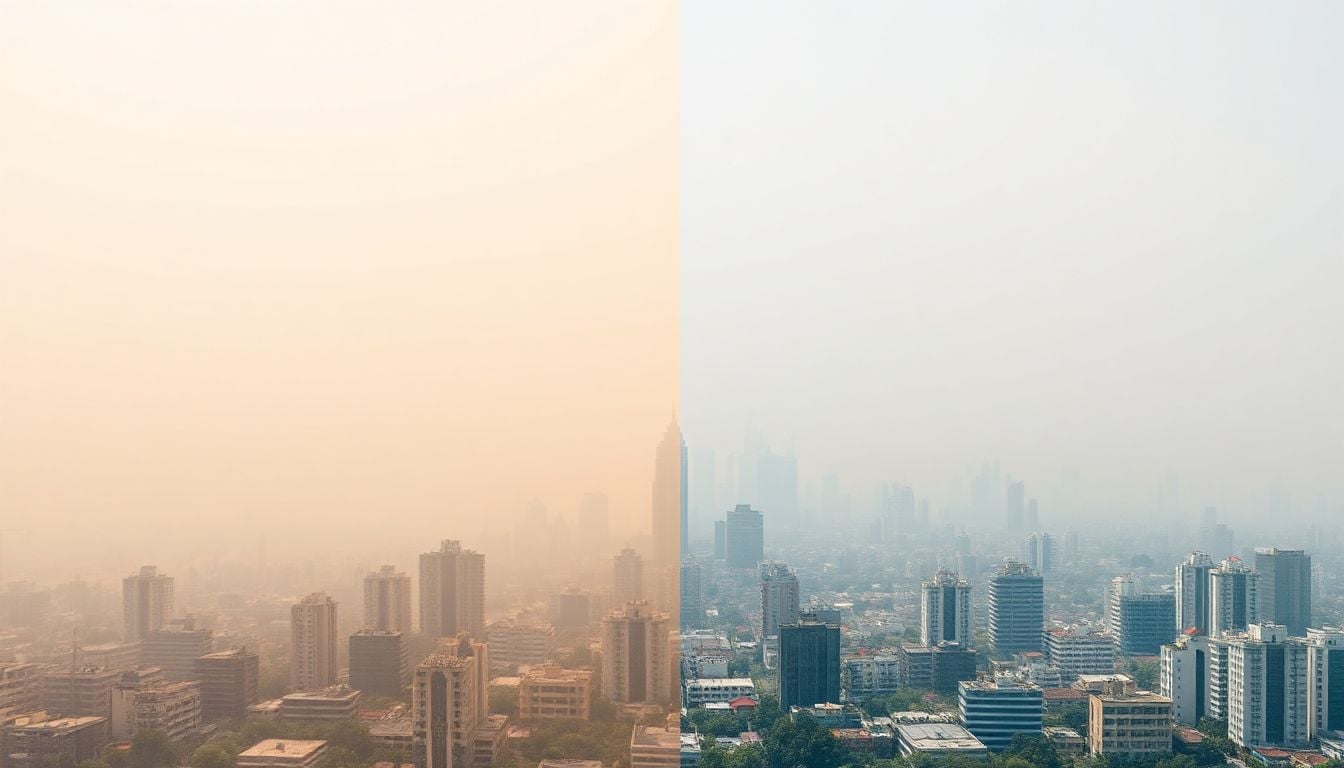
Delhi Pollution Update: CAQM Revokes GRAP-III Measures as Focus Shifts to Stages I and II Intensification
Imagine waking up in Delhi without that thick smog choking the city. Good news hits as the Commission for Air Quality Management, or CAQM, pulls back on GRAP Stage III rules. This shift brings relief to residents and workers in the National Capital Region.
The decision comes after air quality improved just enough. People can now return to normal routines, like heading to offices or starting construction jobs. Yet, we can’t get too comfortable. Pollution in Delhi remains tricky, and this change signals a push for stronger basics under earlier GRAP levels.
GRAP stands for Graded Response Action Plan. It’s a set of steps to fight bad air when the Air Quality Index hits certain marks. Stage III kicks in during “severe” conditions, banning construction sites, some factories, and older vehicles. That meant headaches for many. Now, with a small uptick in winds helping clear the air, CAQM eases those tough limits. But remember, this is just a pause. We need steady efforts to keep things better.
Understanding the Reversal: Why GRAP-III Was Revoked
Air Quality Parameters Triggering the Change
CAQM watches the AQI closely. They revoked Stage III when levels stayed below 400 for days. This marks “very poor” or “severe” but not the worst yet.
Official notes from CAQM point to steady winds from the north. These blew away some pollutants. Data shows AQI around 350-380 lately, down from over 450 last week. That’s the threshold they used.
Experts say such drops happen in winter, but they don’t last. CAQM’s call aims to balance health and economy. Still, forecasts warn of quick changes if winds slow.
Immediate Consequences of Revocation
Lifted bans mean construction can restart right away. Stone crushers and similar operations get the green light too.
Business owners breathe easier. No more shutdowns for BS-III diesel cars in Delhi. That cuts costs for commuters and firms.
Logistics improve as trucks face fewer checks. Yet, rules under Stages I and II stay firm. This mix offers hope without full freedom.
Historical Context of Recent Restrictions
Stage III started on November 2 this year. Smog blanketed Delhi then, with AQI hitting 470. Schools shut, and masks became must-haves.
The crisis tied to farm fires in nearby states. Stubble burning added to local dust and smoke. CAQM acted fast to curb the spike.
Now, with a dip in pollution, they reverse course. This pattern repeats each winter. It shows how fragile air quality battles are here.
The Renewed Focus: Intensifying Actions Under GRAP Stages I and II
Stage I Measures Re-activated and Heightened Vigilance
Stage I applies when AQI reaches 201-300. That’s “poor” to “very poor” air. CAQM ramps up checks on dusty roads and sites.
They enforce bans on smoky vehicles. Water trucks sprinkle dust more often now. Construction spots must cover materials.
Tightening the Screws on Stage II Violations
Trucks entering Delhi get extra scans. Only CNG or electric ones pass easily. Penalties double for polluters.
CAQM plans more audits. Non-compliant factories pay up or stop. This push aims to cut emissions at the source.
Data-Driven Decision Making and Forecasting
Sector-Specific Impacts Post-Revocation
Construction and Infrastructure Projects
Vehicular Traffic and Pollution Load
Vehicle curbs from Stage III end. Older petrol cars can drive freely again. Traffic flows smoother on main roads.
Still, patrols watch for black smoke. Entry points check overloads. This targets heavy polluters.
With more cars, emissions could rise. Drivers, check your filters. Simple steps help the air stay better.
Industrial Compliance and Energy Mix
Factories cleared to run under lower stages. They shift from coal to gas slowly. CAQM pushes for cleaner fuels.
Ongoing checks ensure no shortcuts. Small units install scrubbers. This reduces smoke output.
Long-term, the goal is green energy. Even now, compliance cuts haze. Industries adapt to stay open.
Expert Perspectives and Long-Term Strategy Challenges
Analyst View on Regulatory Effectiveness
Policy pros note regional ties. Punjab’s fires affect Delhi most. GRAP works best with neighbor help.
Statements from groups like CSE stress enforcement. Fines collected fund more green tech. The system improves yearly.
The Persistent Problem: Sources Beyond Delhi’s Control
Local fixes can’t beat wind-carried smoke. Stubble from farms travels far. Inversions lock it in place.
We need talks across states. Crop residue machines could end burns. Meteorology plays a huge role too.
True change comes from big plans. Plant more trees. Shift to electric buses. These tackle roots, not just leaves.
Actionable Steps for Residents During Elevated Pollution (Stage I/II)
Stay inside when AQI tops 300. Use purifiers if you have them. Masks help on short walks.
Cut outdoor play for kids. Exercise indoors instead. Check apps for daily levels.
For your car, get tune-ups. Walk or bike short trips. Small choices add up for cleaner air.
Conclusion: Cautious Optimism and the Road Ahead
CAQM’s GRAP-III revocation eases daily life in Delhi NCR. Air quality edges better, lifting bans on builds and rides. Yet, Stages I and II demand sharp focus to hold gains.
This isn’t victory. Pollution lurks, ready to surge. We must stick to basics like clean drives and dust fights.
Look ahead with hope. Consistent action builds lasting blue skies. Join in—your part matters for Delhi’s fresh air future.
