


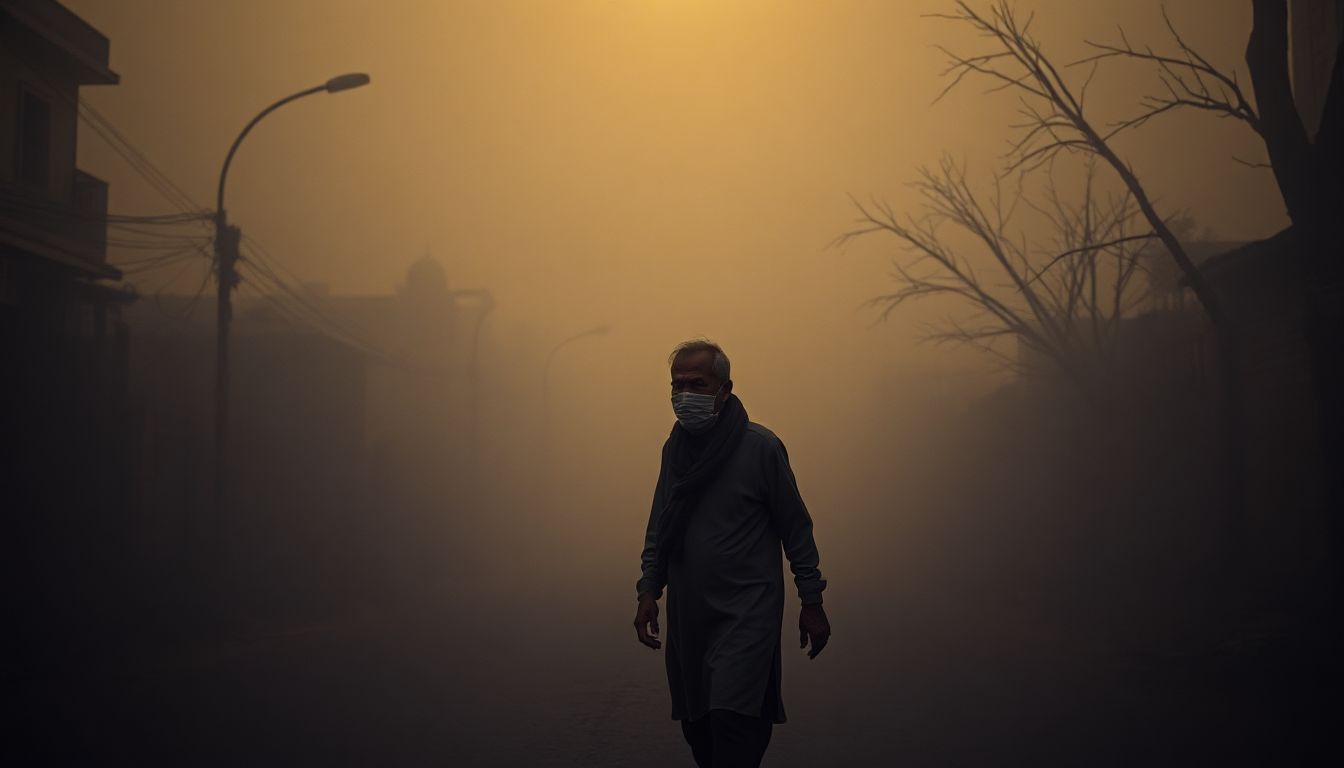
The Silent Epidemic: Fleeing Delhi Pollution After Toxic AQI Caused Irreversible Lung Damage in Lifelong Residents
Imagine waking up in Delhi during winter. A thick blanket of smog hangs low over the streets. You step outside, and the air feels heavy, like a wet cloth pressed against your face. It stings your eyes and burns your throat with every breath. This isn’t just bad weather—it’s a public health nightmare that’s pushing people away from their homes.
For years, Delhi’s air has turned deadly. The Air Quality Index, or AQI, often spikes to hazardous levels above 400. These toxic readings mean serious harm to your lungs over time. Lifelong residents face irreversible lung damage from breathing this poisoned air day after day. In this article, we’ll look at why the pollution hits so hard, the lasting health effects, and why so many are packing up and leaving the capital for cleaner skies.
The Anatomy of Toxic Air: Understanding Delhi’s Deadly AQI Spikes
Delhi’s air turns toxic each winter, and it’s not by chance. Fine particles called PM2.5 and larger ones known as PM10 float deep into your lungs. These tiny invaders come from everyday sources, but in high amounts, they wreck your body. The World Health Organization sets safe limits at 5 micrograms per cubic meter for PM2.5 yearly. Yet Delhi often sees levels over 100 times that during peaks. This gap shows just how far from safe the city drifts.
Components of the Deadly Cocktail
The mix starts with smoke from farm fires in nearby states. Farmers burn crop leftovers in October and November, sending ash clouds toward Delhi. Cars and trucks add exhaust fumes packed with nitrogen oxides. Factories spew out chemicals and dust from construction sites stirs up more grit. Together, they form a brew that’s hard to escape.
Take last winter’s data. PM2.5 hit 500 micrograms in some spots—100 times WHO’s daily limit. Vehicle emissions alone make up 30% of the problem, per government reports. Industrial waste and dust add another big chunk. No wonder breathing feels like inhaling sandpaper.
When Safe Air Becomes a Foreign Concept
High AQI days stretch for weeks. When it tops 300, experts call it “very poor.” Over 400? That’s “severe,” and staying outside risks quick harm. People cough more, eyes water, and kids get sick fast. For lifelong Delhiites, these aren’t rare events—they’re the norm from October to February.
The mental strain builds too. You check apps daily, dreading red alerts. Families plan lives around “good air” days that rarely come. This constant worry wears you down, on top of the physical ache in your chest.
Meteorological Factors Magnifying the Crisis
Cold weather traps the mess. Low winds fail to blow pollutants away. Temperature inversions act like a lid, holding smoke near the ground. From November to January, Delhi becomes a sealed chamber. Fog rolls in, mixing with toxins to cut visibility to yards.
This setup worsens everything. A 2022 study from the Indian Institute of Tropical Meteorology linked these patterns to AQI jumps of 200 points overnight. Without breeze to clear it, the air stays thick and dangerous.
The Body Under Siege: Irreversible Health Consequences
Short-term woes like sore throats fade, but long exposure carves deep scars. Years of toxic AQI lead to chronic issues that don’t heal. Doctors in Delhi hospitals see it daily—patients with scarred lungs from pollution’s slow attack. It’s not reversible; once damaged, your breathing capacity drops for good.
Beyond the Cough: Diagnosing Chronic Lung Damage
Prolonged smog triggers severe COPD, where airways narrow and trap air. Pulmonary fibrosis hardens lung tissue, making each breath a fight. Cancer risks climb too, as particles spark cell changes. Clinics like AIIMS report a 50% rise in such cases among residents over 40.
One study from 2023 tracked 1,000 Delhi kids. It found early signs of lung scarring from PM2.5 buildup. Adults who’ve lived here decades often need oxygen tanks by middle age. These aren’t fixable with medicine—they’re permanent shifts in how your body works.
The Cardiovascular and Neurological Toll
Pollution doesn’t stop at lungs. It sparks body-wide inflammation, raising heart attack odds by 25%, says a Lancet report. Strokes follow suit as particles clog vessels. New research shows PM2.5 slips into the brain, linked to memory loss and faster aging.
Think of it like rust inside your pipes. Over time, it weakens the whole system. Delhi residents report fatigue and fuzzy thinking during bad air spells. For some, this means early retirement or lost jobs.
The Vulnerable Population: Children and the Elderly
Kids suffer most. Their growing lungs absorb toxins easily, stunting development. A family in South Delhi moved after their son’s asthma attacks doubled. Elderly folks fare worse too—their frail bodies can’t fight back. Hospitals note a spike in admissions for those over 65 during AQI peaks.
Stories abound of grandparents gasping through winters. One woman shared how her 70-year-old father relocated to avoid constant hospital trips. For families, watching loved ones struggle pushes the hard choice to leave.
The Exodus: Fleeing the Capital for Clean Air
More Delhiites are saying enough. Health scares tip the scale, forcing them to uproot lives. It’s a quiet migration driven by survival, not adventure. Thousands leave each year, seeking spots where AQI stays under 100.
The Tipping Point: When Health Overrides Home Ties
It often starts with a doctor’s warning. “Move now, or face worse,” they say after scans show damage. Kids missing school from illness seals it. One father told media his daughter’s grades slipped amid breathing troubles. Ties to family and jobs fade when survival’s at stake.
Emotional pain hits hard. You leave behind childhood homes and friends. Yet the fear of irreversible lung damage outweighs it. Forums buzz with tales of families choosing health over heritage.
Preferred Sanctuaries: Where Delhiites Are Relocating
Many head south to cities like Pune or Bangalore. Cleaner air there hovers around 50-80 AQI. Others pick Himalayan towns like Dehradun for fresh mountain breezes. Costs vary—rent in Bangalore might double Delhi’s, but it’s worth it for breathable days.
Some go abroad if they can, to places like Canada with strict clean air rules. Domestic moves dominate, though. A real estate report noted a 20% uptick in Delhi families buying homes in Himachal Pradesh last year.
Economic and Social Dislocation
Leaving means job hunts and lost networks. Professionals switch careers or work remote. Social circles shrink, leaving gaps in support. Generational homes sit empty, sold off quick.
The price tag stings. Relocation eats savings, yet families budget for it like any must-have. One couple spent 10 lakhs on a move to Coorg, calling it an investment in their lungs.
Seeking Solutions: Mitigation and the Future of Survival
Not everyone can flee right away. For those stuck, smart steps help. Governments promise fixes, but results lag. Tech offers bridges until big changes come.
Immediate Protective Measures for Residents Staying Behind
Grab a HEPA air purifier—look for ones certified to catch 99% of PM2.5. Run it 24/7 in main rooms. Wear N95 masks outdoors; they seal tight against fine dust. Skip peak hours for walks—stay in from 8 a.m. to 5 p.m.
Seal windows with weather stripping to block drafts. Use apps to track AQI and plan days inside. For kids, virtual classes beat risking playtime in smog.
- Choose purifiers with high CADR ratings for your room size.
- Stock masks in bulk for winter.
- Hydrate extra to ease throat irritation.
Policy Shifts: Are Government Interventions Working?
The Graded Response Action Plan, or GRAP, bans old cars and farm fires when AQI hits 300. It cuts some spikes, but enforcement slips. Last season, levels still topped 450 despite bans. Critics say more funds for public transit and green energy are key.
Progress shows in electric buses, up 30% in Delhi. Yet annual crises persist. Real change needs neighboring states to join the fight against crop burning.
Long-Term Resilience: Building ‘Clean Air Bubbles’
Create safe zones at home with positive pressure systems. They pump filtered air in, keeping toxins out. Lifestyle tweaks help—plant indoor greens and avoid smoking.
Communities form “clean bubbles” in apartments, sharing purifier costs. One Delhi group raised funds for building-wide filters. These steps buy time, but they can’t replace systemic fixes.
Conclusion: The Cost of Inaction
Delhi’s toxic AQI has scarred generations. Irreversible lung damage forces lifelong residents to flee, trading homes for hope. This silent epidemic claims health and roots, turning the capital into a place people escape. Air quality shapes life spans—ignoring it costs too much.
We must push for real change. Cleaner policies and global pressure can heal this wound. If you’re in Delhi, check your health now. Consider options before damage sets in deep.
Key Takeaways:
- Permanent lung harm from PM2.5 builds over years, leading to COPD and fibrosis.
- Thousands relocate to southern India or hills for AQI under 100, despite high costs.
- Use masks, purifiers, and GRAP awareness now—systemic reforms are urgent to end the exodus.
