


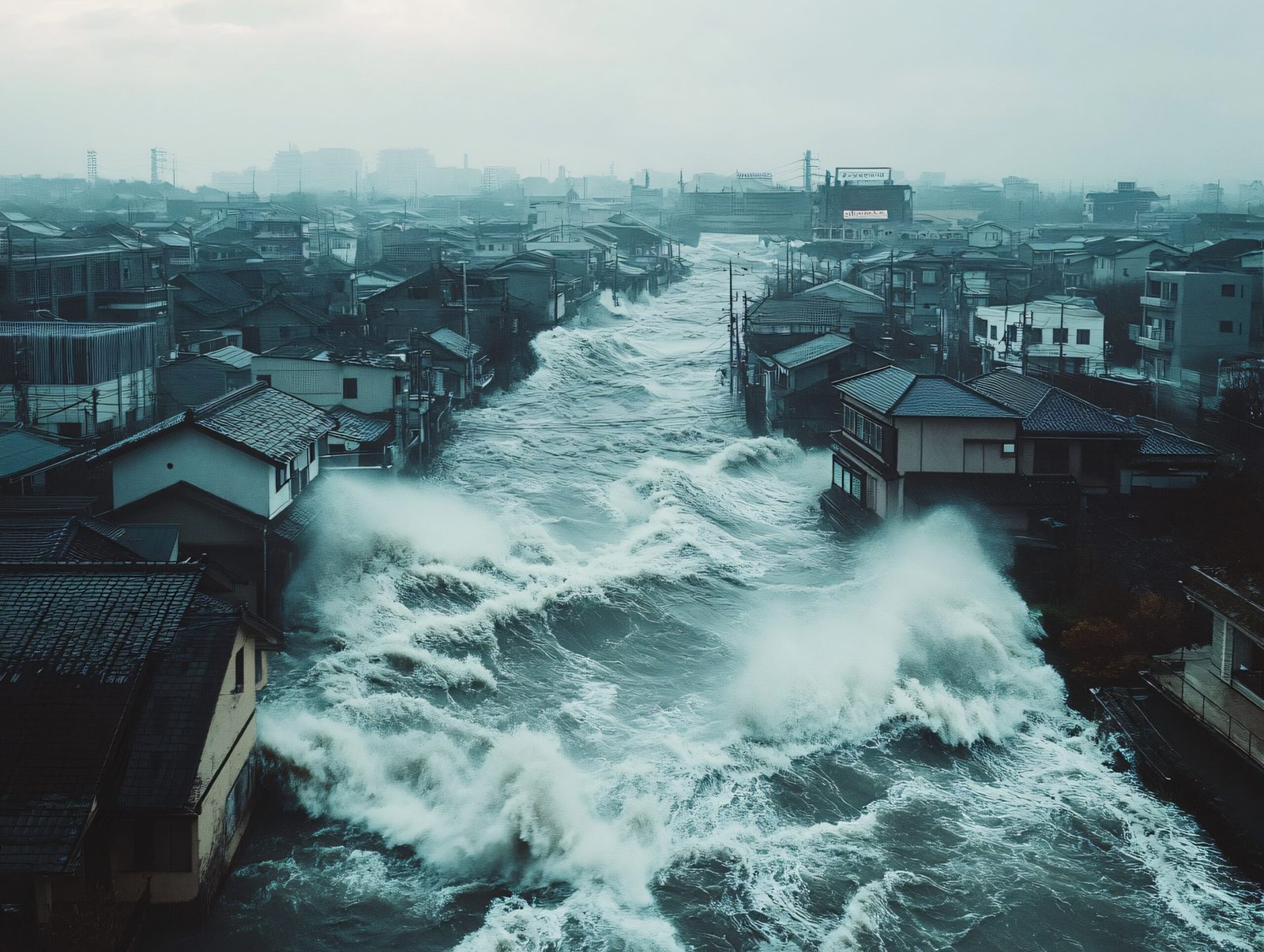
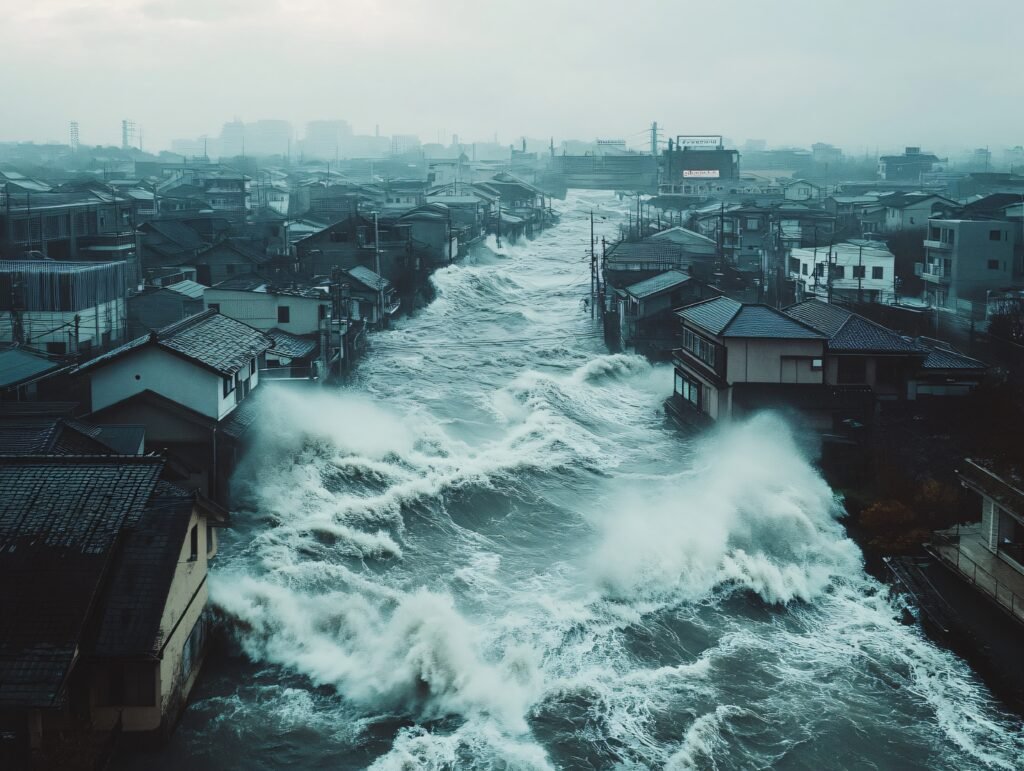
 Tsunami hits Japan and Russia coasts, warnings ring loud in California and Hawaii
Massive Quake Strikes Russia
-
On July 30, 2025, a powerful magnitude 8.8 earthquake struck off the eastern coast of Russia’s Kamchatka Peninsula, near Petropavlovsk-Kamchatsky, at a depth of approximately 19 km
-
Experts say it’s the strongest recorded in the region since 1952 and among the top six largest quakes globally.
Impact in Russia and Japan
-
In Russia, Severo‑Kurilsk on Paramushir Island was struck by tsunami waves. Local authorities ordered evacuations, and some flooding and property damage occurred, though no fatalities have been confirmed
-
In northern Japan, the Japan Meteorological Agency observed a 30 cm wave hitting Nemuro, Hokkaido, prompting evacuation orders across coastal areas and halting operations at the Fukushima nuclear plant—though no abnormalities were reported
Alerts Across the Pacific
-
The Pacific Tsunami Warning Center (PTWC) issued tsunami warnings and watches streaming across the Pacific basin:
-
Hawaii, Alaska’s Aleutians, U.S. West Coast (California, Oregon, Washington), and British Columbia were all included in tsunami advisories. Hawaii also saw emergency evacuation orders and coastal sirens .
-
Alerts were also issued for Guam, Mexico, New Zealand, Indonesia, Taiwan, the Philippines, and other Pacific islands. Some forecasts anticipated wave heights up to 3 meters in certain areas
-
-
In prior similar events—such as a magnitude 7.4–7.5 earthquake on July 20, 2025—Hawaii and other regions had brief tsunami watches lifted shortly thereafter once data confirmed no major threat.
-
Here, authorities are stressing that strong aftershocks—possibly up to magnitude 7.5—may follow the main tremor, sustaining the risk level for at least a few days
📰 On-the-Ground Response
-
Japan evacuated coastal prefectures, especially near Hokkaido and Fukushima, mobilizing emergency services and public shelters.
-
Russian authorities placed residents of affected Kuril and Kamchatka coastal towns on higher ground; Severo‑Kurilsk received specific evacuation orders, and infrastructure officials assessed flood damage.
-
In Hawaii, Governor Josh Green declared a state of emergency and activated evacuation protocols for low-lying coastal zones; Honolulu saw heavy traffic congestion as residents followed evacuation guidance.
✅ Key Guidance for Coastal Residents & Travelers
-
Evacuate low-lying coastal areas immediately and move to higher ground.
-
Avoid shorelines, piers, and harbors until official “all-clear” messages are broadcast.
-
Follow updates from local authorities, Japan Meteorological Agency (JMA), and PTWC.
-
Be prepared for aftershocks, potentially strong ones, over the coming days.
-
Plan for possible service interruptions—emergency, transport, and evacuation centers may experience delays or congestion.
🧭 Big Picture: Why This Matters
This quake is reminiscent of the catastrophic 1952 Severo‑Kurilsk event, which triggered devastating tsunamis in Russia and Hawaii. Today’s tremor marks the strongest seismic event in the region since then, activating one of the widest tsunami warning networks in recent memory—from Japan to California, Hawaii to Australia and beyond.
It underlines the continued vulnerability of Pacific nations along the Ring of Fire, where seismic shifts can cross oceans in hours—and where rapid, coordinated alerts remain vital.
As the situation unfolds, remember to prioritize safety, follow evacuation orders, and stay tuned to verified official channels for updates.
